
Air filtration technologies
In the modern world, where most of the time is spent indoors, air quality is becoming extremely important. Indoors, we breathe not only natural air, but also various pollutants, so properly selected air filters are necessary to protect health, ensure comfort and avoid long-term negative effects on the body.
Particulate matter (PM) - what is it?
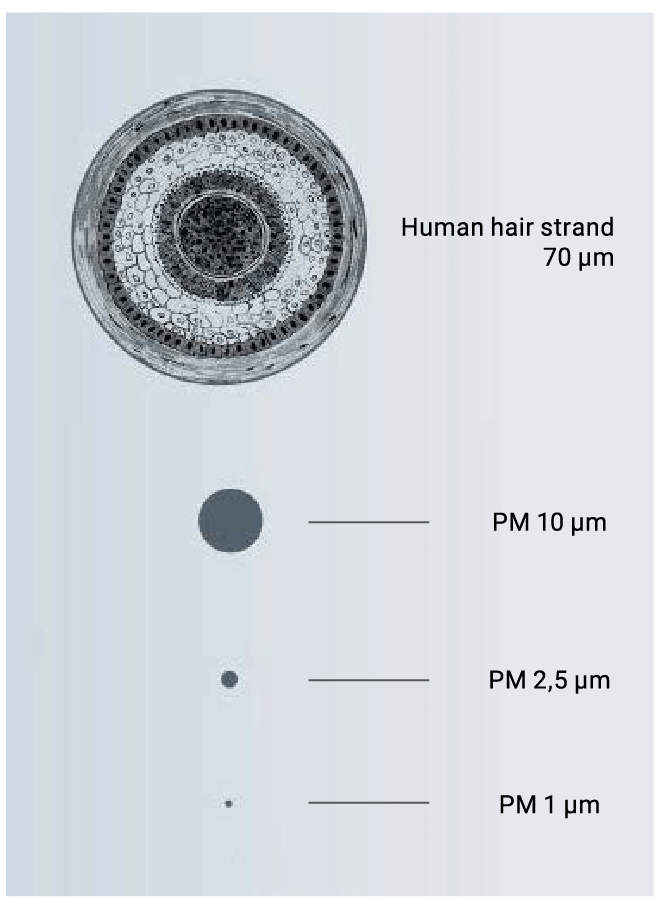
PM (particulate matter) - is a mixture of dust, liquid droplets or other pollutants in the air. According to their size, they are divided into:
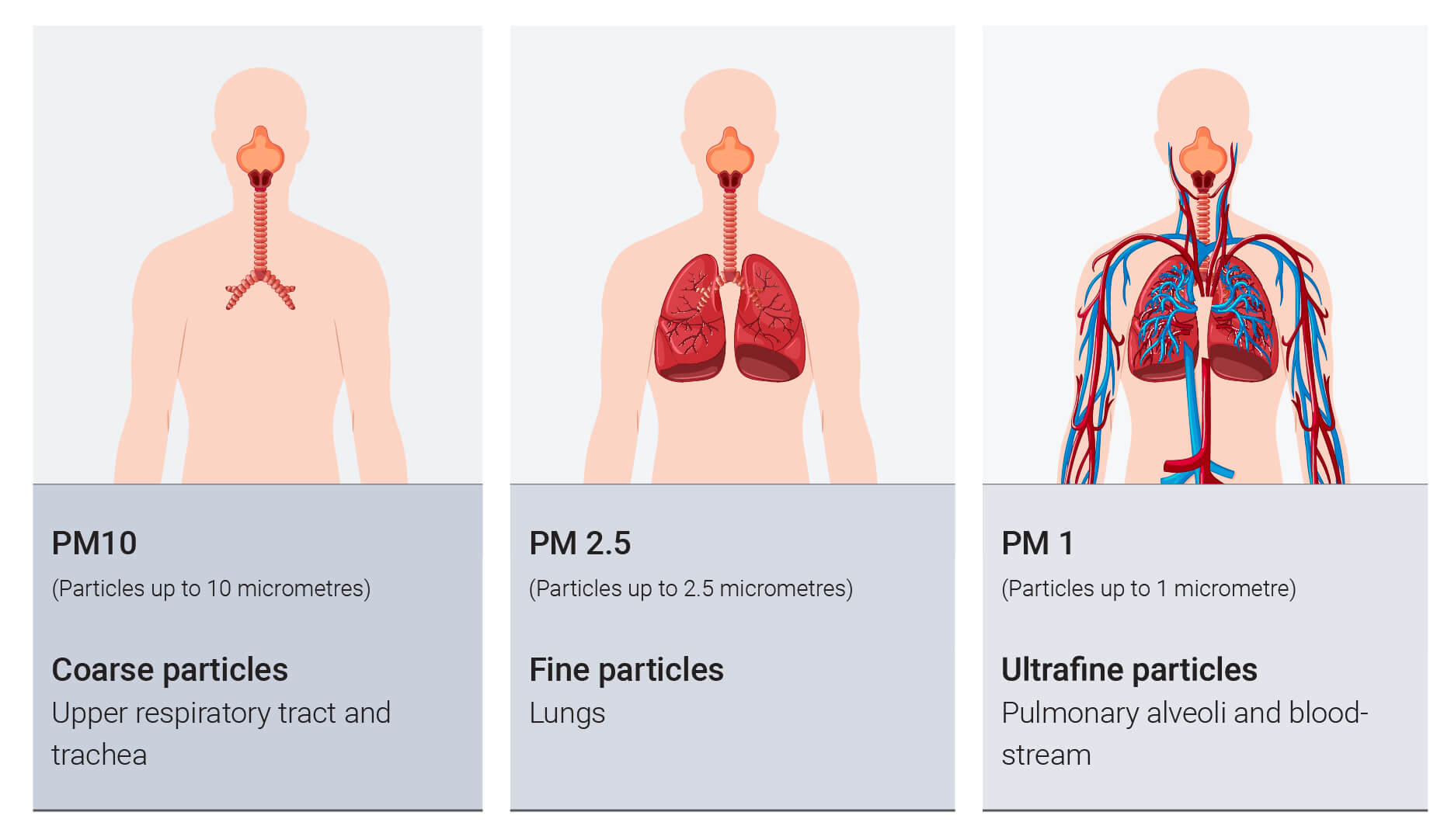
- PM10 (particles up to 10 µm) - can enter the respiratory tract;
- PM2.5 (particles up to 2.5 µm) - reach the lungs, disrupt their function, can cause skin and eye problems;
- PM1 (particles up to 1 µm) - the most dangerous, because they enter the bloodstream, increase the risk of heart, vascular and even oncological diseases.
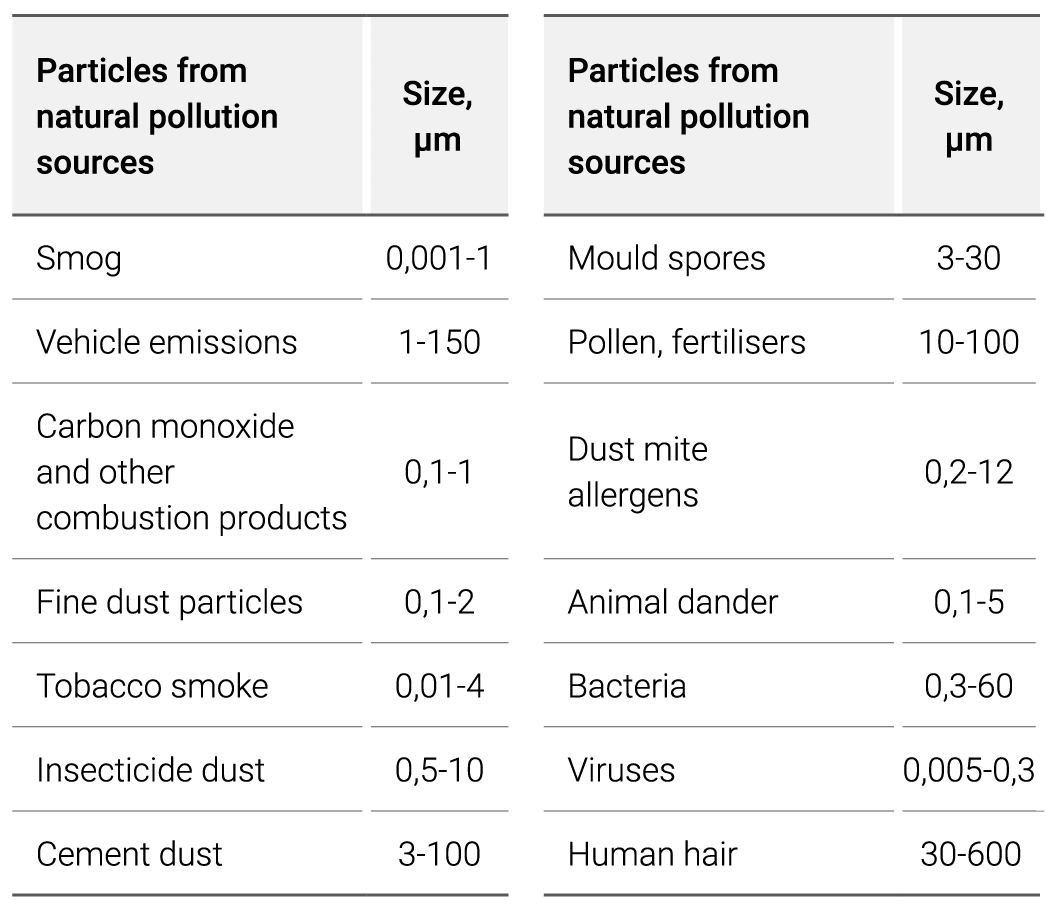
The sources of these particles can be natural (pollen, forest fires, sandstorms) and artificial (car exhaust, industrial activities, fuel combustion, construction dust).
Air Filter Classification (ISO 16890)
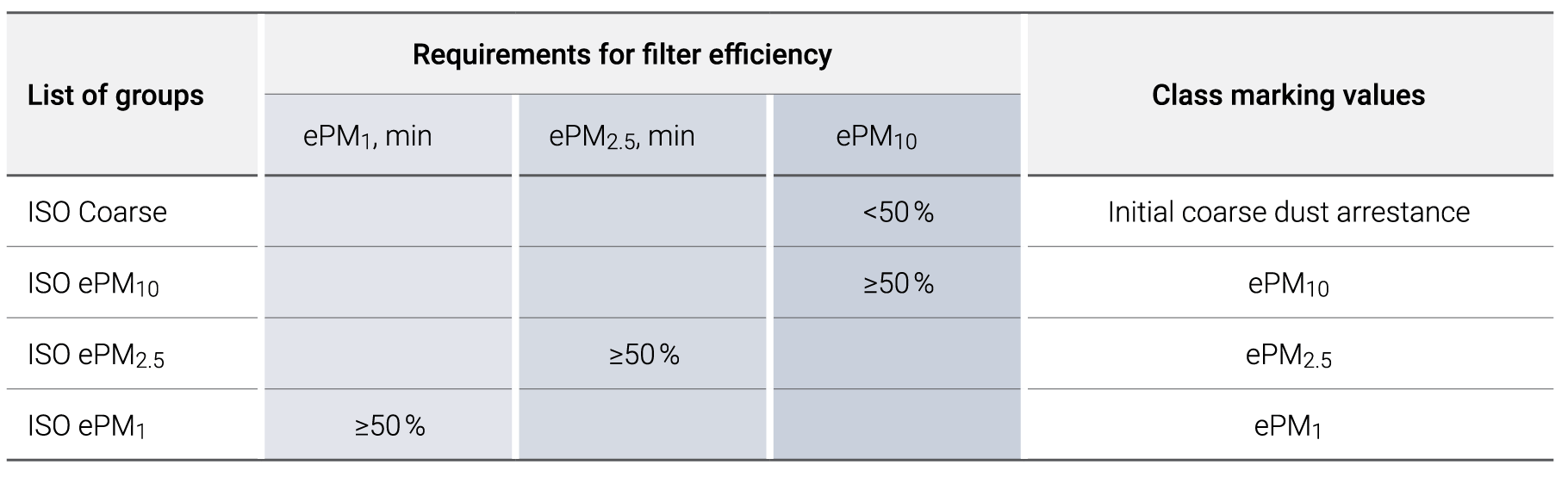
Since 2016, the ISO 16890 standard has been in effect worldwide, replacing the previous EN779 and ASHRAE 52.2 standards. According to this standard, filters are classified according to their efficiency in trapping particles.
The higher the filter efficiency, the better it protects against harmful pollutants. In urban environments, it is recommended to use ePM1 class filters to capture sub-micron particles, while in more remote areas ePM10 may be sufficient.
Technologies & Best Practices
Common Filter Technologies:
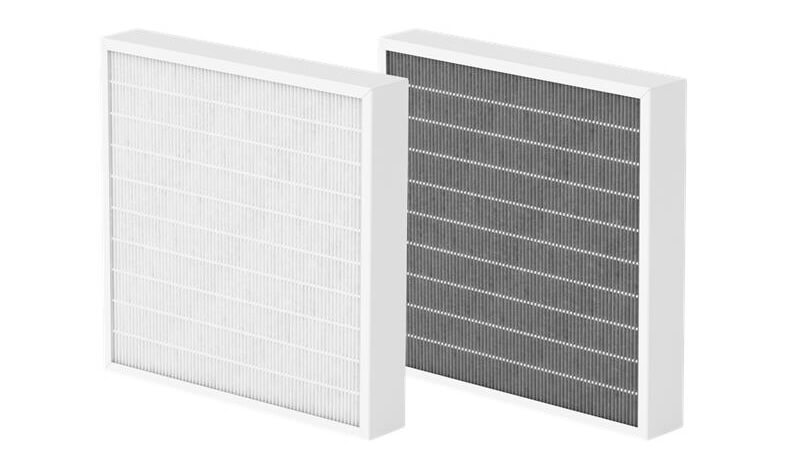
- Conventional filters - designed to trap solid particles.
- Activated carbon filters - dust-free, they also remove odors, smoke, organic vapors, and solvent residues.
- Ventilation systems – in modern buildings, they ensure heat recovery and at the same time clean both incoming and outgoing air.
Practical Tips for Homeowners
- Change filters at least twice a year - ideally in spring and autumn.
- Replacement frequency depends on local air pollution and ventilation intensity.
- In cities, choose high-class filters (ePM1). In rural areas, lower-class filters may suffice.
Clean air indoors determines good well-being, reduces the risk of allergies, respiratory diseases, and cardiovascular disorders. A properly selected ventilation system and filters are an investment in health and quality of life.
The Hidden Threat: What Do We Breathe?
We all hear about the increased amount of particulate matter in the air, but not everyone thinks about how many pollutants are hidden indoors, where we spend about 90% of our time. According to the World Health Organization (WHO), improving air quality can significantly contribute to better health and a longer life.
Fine particulate matter (PM1, PM2.5, PM10) usually comes from transport, industry, heating equipment and even domestic activities. When they enter the human body, they can cause chronic diseases such as asthma, bronchitis, heart attack or stroke. Fine PM1 particles (less than 1 µm in size) are the most dangerous, as they easily enter not only the lungs but also the bloodstream.
Other airborne pollutants pose a health risk:
- Pollen – causes allergies and asthma exacerbations, especially in spring and summer.
- Mold and bacteria – develop in damp rooms and can cause respiratory diseases.
Scientific Studies Confirming the Benefits
Ventilation improves the indoor microclimate, reduces pollutants, and helps prevent excess humidity. Natural ventilation alone, for example by opening a window, is often not enough because it does not effectively remove pollutants, does not ensure constant air circulation, and may increase the risk of humidity and mold.
.png)
- Children and reducing the risk of respiratory diseases. Studies show that the use of air filters can reduce the risk of respiratory diseases in children by as much as 30%. A UCLA study showed that air filters help reduce asthma symptoms, protecting the most sensitive members of society.
- Reducing allergies. A study by the Canadian Respiratory and Sleep Association has shown that air filters can reduce allergy symptoms by up to 25%. They clean the air of allergens such as pollen, mold, and dust mites.
- Air quality in the workplace. Research from Harvard University's T.H. Chan School of Public Health has shown that high-quality air filters can reduce particulate matter in indoor air by 50%, creating a more comfortable and productive work environment.
Selection and Maintenance of Air Filters
To effectively protect indoor air, it is recommended to use filters in ventilation units that comply with the ISO 16890 filtration standard:
- For air supply, use filters with an efficiency class of at least ePM1 50%, which retain the smallest and most dangerous particles.
- For extraction, choose ePM10 filters, which retain larger particles.
- High-efficiency filters also protect ventilation unit components (heat exchangers, heaters) preventing contamination and extending service life.
Air quality is part of a healthy lifestyle
Investing in cleaner air is an investment in our health and well-being. By choosing quality air filters, we create a safer environment not only for ourselves, but also for our loved ones. Better air quality means fewer illnesses, more energy and a higher quality of life.
Explore Our Filters
